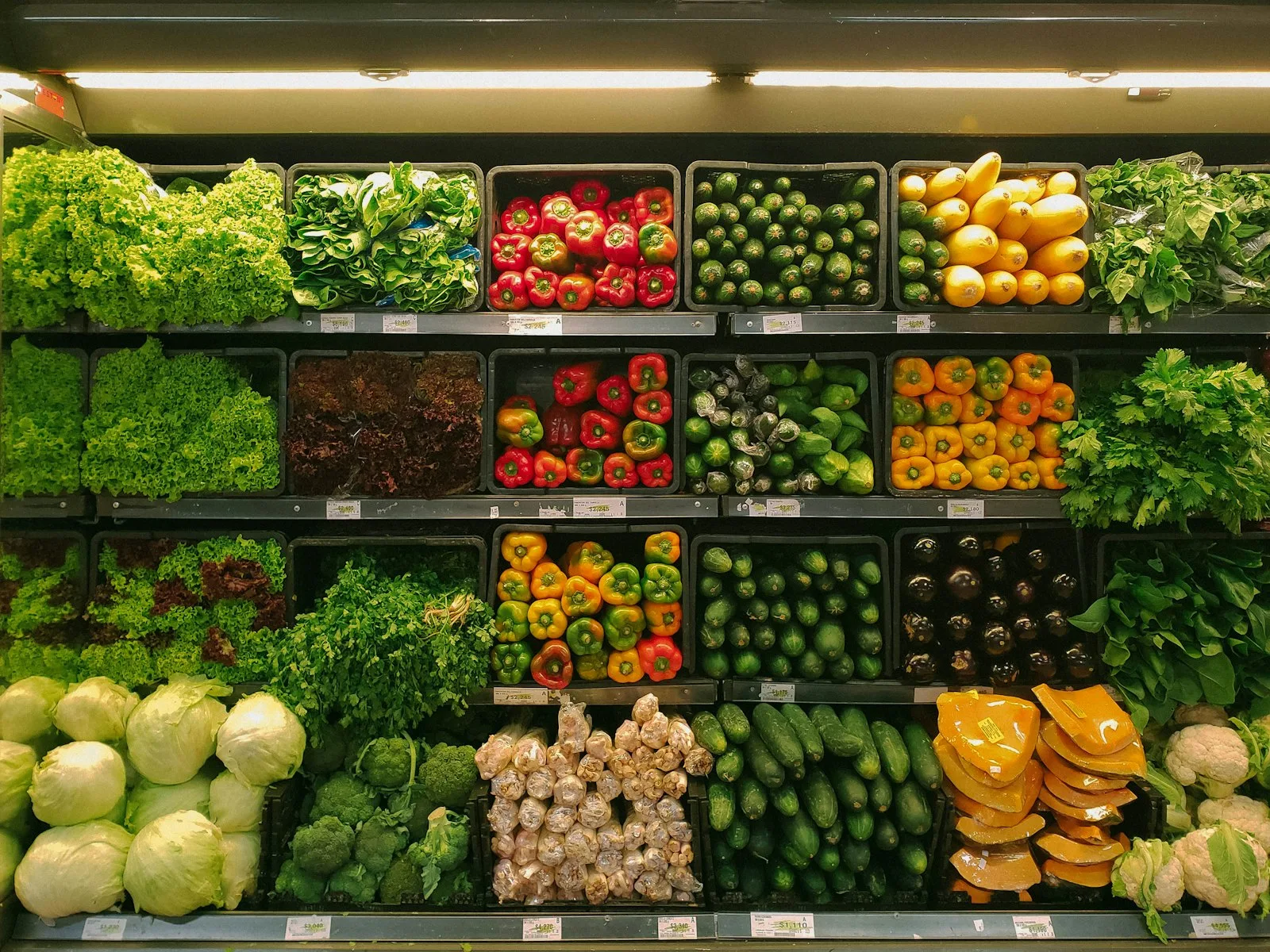
Saturday Markets
On the social life of market stalls, regular vendors, and the ritual of the weekly shop.
The market opens at seven. By eight the serious shoppers have come and gone, the good mushrooms have been bought, and what remains is the slower social life of the morning.
The temporal structure of a market
A Saturday market has a structure that most of its visitors do not consciously perceive. The first hour belongs to the professionals: restaurant buyers, caterers, and the regular customers who have cultivated relationships with specific vendors over years. They arrive knowing what they want and leave with it.
The second hour is for people who are shopping but also lingering - the market as social event as much as errand. Conversations happen at stalls. Children eat bread samples. Somebody’s dog becomes briefly famous. The pace is different from the purposive efficiency of the first hour.
By the third hour, the best produce has moved, the vendors are thinking about what to discount for quick sale, and the market begins its slow deflation toward closing. The atmosphere changes. Something of the morning’s urgency has been spent.
The vendor relationship
Vendors at markets that have been operating in the same locations for years develop detailed knowledge of their regular customers. Not just preferences, though that too - knowing that a particular woman buys her herbs by smell and should be offered the basil rather than shown it, or that a man who comes every other Saturday will always ask the price of the good tomatoes and buy the cheap ones.
This knowledge is social intelligence of a particular kind. It requires continuous attention to individual behaviour over time, without formal record-keeping. The vendor holds it in memory, updating it weekly. It is the kind of knowledge that supermarket algorithms attempt to replicate and cannot, because it includes things that cannot be captured in purchase data: mood, company, conversation, the quality of the light that morning.
The market as public room
What markets offer that other retail formats cannot is publicness. The market is a room without walls, where different parts of a community share space on approximately equal terms. A market stall is not a shop front - it does not filter its customers by price point. Everything is visible, everything is accessible, and the transaction is conducted in public, not in the private space of a store.
This publicness has social consequences. Markets are places where people who do not otherwise share space find themselves alongside each other, making the same decisions about what to buy and how much to spend. The social heterogeneity of a good market is something that architects of public space spend entire careers trying to reproduce and rarely achieve.
What is at stake
Saturday markets across Europe are in various states of health. Some have been formalised into pedestrian shopping zones that preserve the form while hollowing out the function. Others have declined as supermarkets captured the convenience end of the market. A few have been revitalised by the intersection of urban foodie culture with genuinely local production.
The distinction between a market that is performing market-ness and one that is actually doing what markets do is not always obvious from the outside. The tell is usually the vendors. In a real market, they know their regulars. In a performed one, they don’t.
The ritual of the weekly shop
The weekly market visit is a ritual in the anthropological sense: a repeated, structured activity that carries meaning beyond its practical function. People who go to the same market every Saturday are not simply optimising their grocery acquisition. They are participating in a shared social practice that structures their week, connects them to a community, and provides a regular encounter with the material reality of food production.
This is worth protecting. Not through sentimentality or heritage designation, but through the understanding that what markets provide - the publicness, the relationships, the knowledge held in a vendor’s memory - is genuinely irreplaceable, and that its loss would be a subtraction from the city that would not show up in any economic calculation.
- ★★★★★
This is the kind of writing that makes you smell the basil through the screen. Absolutely transporting.
- ★★★★★
Short and effective. I liked the observation about vendors knowing their regulars by order.
- ★★★★★
Went to a Saturday market the weekend after reading this. Totally changed how I walked through it.
Leave a review
Sample reviews above are demo content. On a Netlify deploy this form is collected with Netlify Forms; it does not appear in the list until you connect a CMS.

The Long Lunch
On lingering tables, unfinished conversations, and why culture still needs unhurried rooms.

The Night Print Run
Inside the last commercial letterpress studio in Lisbon, where deadlines still smell like ink.

A Fermentation Diary
Six months of sourdough, kimchi, and patience - a designer learns to let go of control.