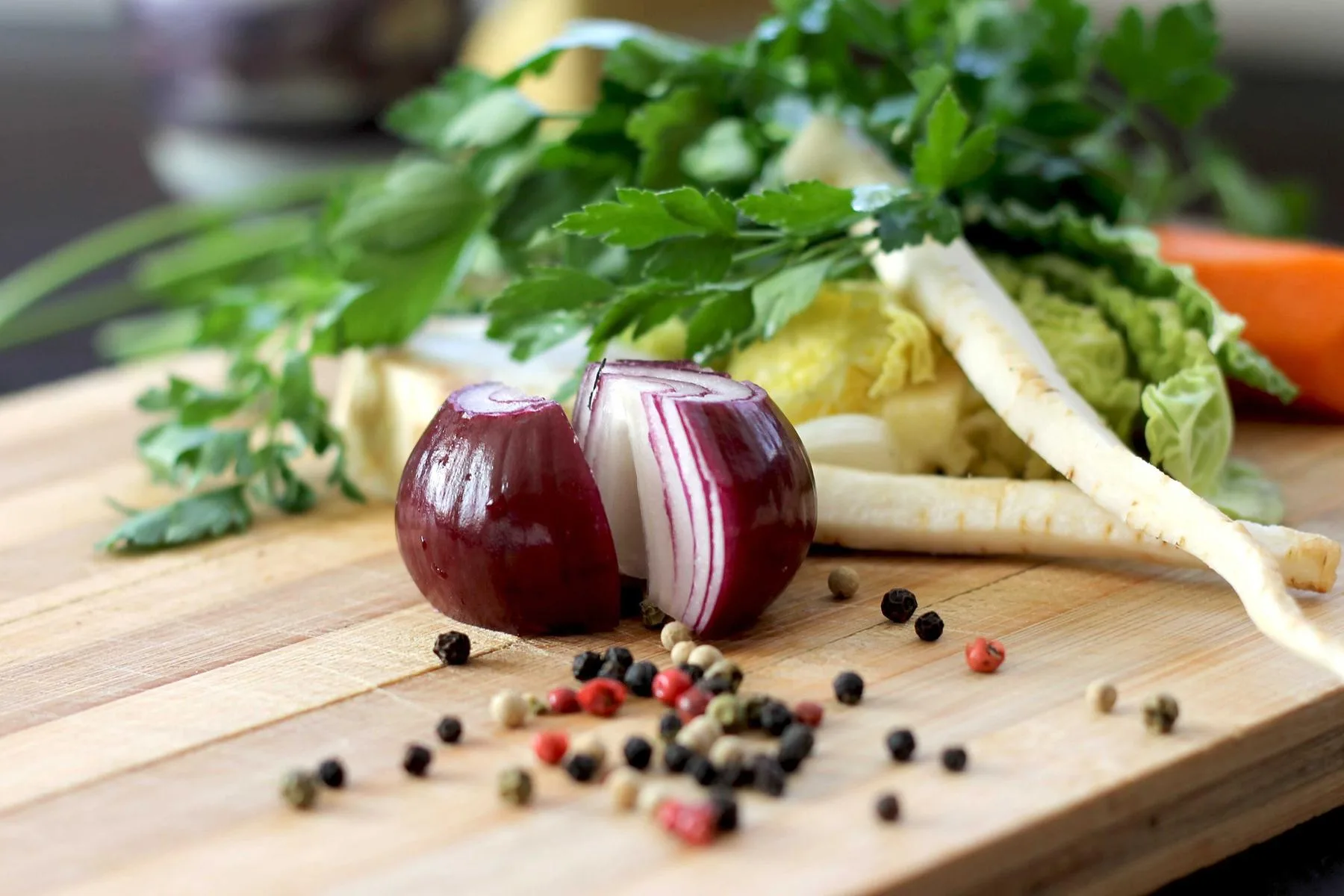
A Fermentation Diary
Six months of sourdough, kimchi, and patience - a designer learns to let go of control.
Week one: the starter smells like wet flour. Week three: it smells like beer. Week six: it smells like bread, finally, and the first loaf is dense but edible.
Why a designer started fermenting
I came to fermentation through frustration with my work. After fifteen years in graphic design, I had become very good at controlling outcomes. I could predict, within reason, how a system would behave. I could iterate. I could fix things.
Fermentation does not allow this. You set the conditions - flour, water, warmth, time - and then the process proceeds without you. Lactobacillus bacteria are not interested in your feedback. The culture does what it does.
This was, at first, maddening. Then it became instructive.
The sourdough months
I kept a starter for six months. I named it, which I was later told by a baker friend was both common and faintly absurd. It lived on the counter, was fed daily, and taught me more about observation than any design workshop I have attended.
The starter’s smell is a record of its recent history. Fresh feed smells like flour. After twelve hours in a warm kitchen it smells yeasty and slightly alcoholic. At peak activity it smells almost fruity. Overfermented, it smells acidic - still functional, but the balance has shifted. Learning to read these signals without instruments took months.
You cannot art-direct a culture
Fermentation teaches designers something important. You set the conditions, then you wait. You cannot rush lactobacillus. You cannot art-direct a culture.
What you can do is create environments where good outcomes become more likely. Control the temperature range. Use clean vessels. Choose quality ingredients. After that, you are not in charge. You are a custodian.
This is a different relationship with making than design school teaches. We are trained to author, to intend, to direct. Fermentation asks you to attend.
The kimchi experiment
The kimchi was easier. Salt draws water from the cabbage through osmosis, creating the brine in which fermentation occurs. Chilli, garlic, ginger, and fish sauce provide flavour and additional microbial activity. Pack it tightly. Leave it at room temperature for two to five days, depending on how sour you want it.
The hardest part was not opening the jar too early. On day two it already smells like kimchi. The temptation to declare it done is strong. But kimchi on day two and kimchi on day five are genuinely different foods. Patience is not metaphorical here. It is a technical requirement.
What I brought back to the studio
Six months in, I returned to design practice with three things I had not had before.
A higher tolerance for mess in the early stages of a project. A more patient relationship with iteration - the understanding that time itself is doing work, and that intervening too early disrupts it. And a new question I ask when reviewing work: is this finished, or am I just tired of waiting?
The starter is still alive. I bake from it most weeks. The loaves are no longer dense.
- ★★★★★
You cannot art-direct a culture. The best line about fermentation and design I have ever read.
- ★★★★★
Week six was exactly my experience. Dense but edible is exactly right. Loved this.
- ★★★★★
Funny and honest. The kimchi section made me laugh out loud on the train.
Leave a review
Sample reviews above are demo content. On a Netlify deploy this form is collected with Netlify Forms; it does not appear in the list until you connect a CMS.
Saturday Markets
On the social life of market stalls, regular vendors, and the ritual of the weekly shop.

The Long Lunch
On lingering tables, unfinished conversations, and why culture still needs unhurried rooms.

The Night Print Run
Inside the last commercial letterpress studio in Lisbon, where deadlines still smell like ink.