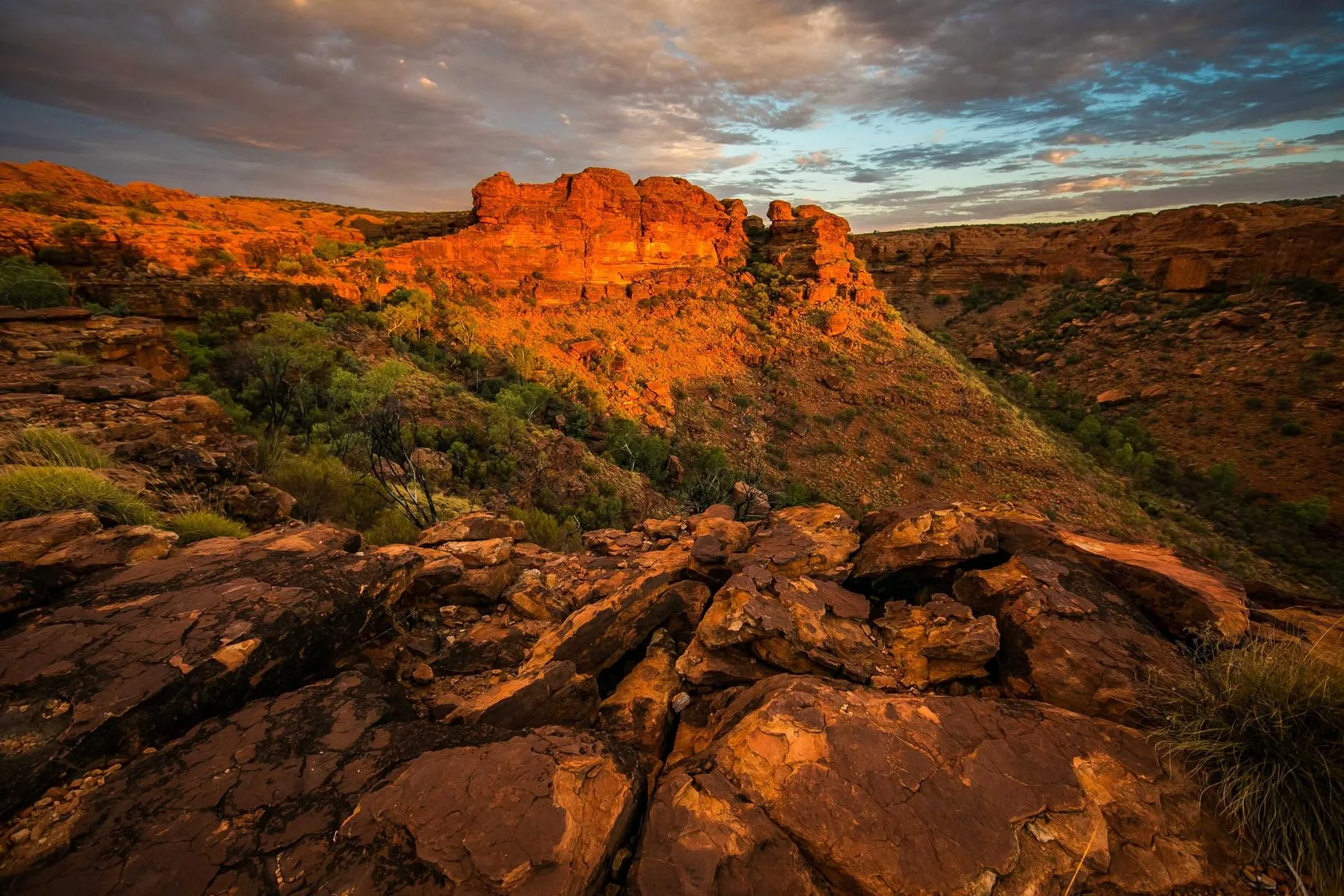
Concrete and Coast
Brutalist holiday homes along the Adriatic - what happens when modernism meets salt air.
The concrete is stained with salt. The balconies cantilever towards the water as if the building itself is leaning in to listen.
Along the Croatian coast, a generation of modernist holiday complexes is quietly deteriorating. Built in the 1960s and 70s under Yugoslav socialism, they were expressions of a particular political optimism: that ordinary workers deserved not just rest, but grandeur.
The ideology of leisure
These buildings were not designed as luxury. They were designed as infrastructure for the working class - self-funded holiday resorts operated by trade unions and enterprises, where factory workers and miners and teachers could arrive by coach and spend a fortnight beside the sea. Architecture was a political statement. If capitalist resorts had grandeur, so would socialist ones.
The forms chosen were modernist because modernism was, at that historical moment, associated with the future. Brutalism, in particular - its honest use of material, its visual weight, its refusal of decoration - suited the ideological ambitions of the project. The buildings said: we are serious about this.
Salt air and entropy
What modernist concrete does not do well is age gracefully in a marine environment. Salt air attacks the rebar. The freeze-thaw cycle opens the surface. Water finds its way in and expands. The staining that looks dramatic from a distance is, up close, a record of slow structural failure.
Some complexes have been maintained with care - reclad in new concrete, repainted, fitted with modern plumbing. Others have been demolished. The ones in between are the most interesting: operating, barely, with missing balcony railings and temporary repairs that have become permanent. Guests return year after year, apparently indifferent to entropy.
The architects
Few of these buildings are widely attributed. Their architects worked within state design bureaus, producing drawings that were technically authored by an institution rather than an individual. Names like Zdravko Bregovac and Ninoslav Kuče are known mainly to architectural historians. The buildings exist without the celebrity that might protect them.
This anonymity is one reason they are vulnerable. There is no famous name to invoke, no monograph to wave at a planning committee. The case for preservation must rest on the buildings themselves - on their quality, their history, and the culture they represent.
What survives and what is lost
Travelling the coast in June, the pattern becomes clear. The renovated resorts are indistinguishable from any other Mediterranean hotel: white walls, glass balconies, the same outdoor furniture. The architecture has been corrected back to the international vernacular. Nothing remains of the original ambition except the footprint.
The unrenovated buildings are different. Walking through one - half-occupied, the dining room still serving a fixed menu at fixed hours - you feel the intentions of the original design. The corridors are generous. The communal spaces are genuinely communal. The view from the roof terrace has not been privatised.
These buildings are monuments to an optimism about public leisure that feels almost radical today. Whether that optimism deserves preservation is a question that coastal municipalities are answering, quietly and irrevocably, with bulldozers and render.
- ★★★★★
The building leaning in to listen. What an image. This made me want to drive the Croatian coast immediately.
- ★★★★★
A timely piece. These buildings deserve better than render and forgetting.
- ★★★★★
Monuments to an optimism about public leisure. That phrase will stay with me for a long time.
Leave a review
Sample reviews above are demo content. On a Netlify deploy this form is collected with Netlify Forms; it does not appear in the list until you connect a CMS.

The Coastal Archive
A photographer's ten-year project documenting the changing edge of the North Sea coast.
Courtyard Hours
On the architecture of the in-between - the outdoor rooms that cities build without always meaning to.

Borrowed Light
How architects and photographers chase the same fleeting quality - the light that belongs to a moment, not a room.